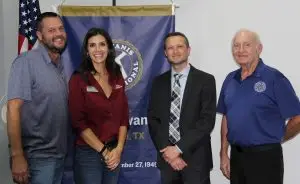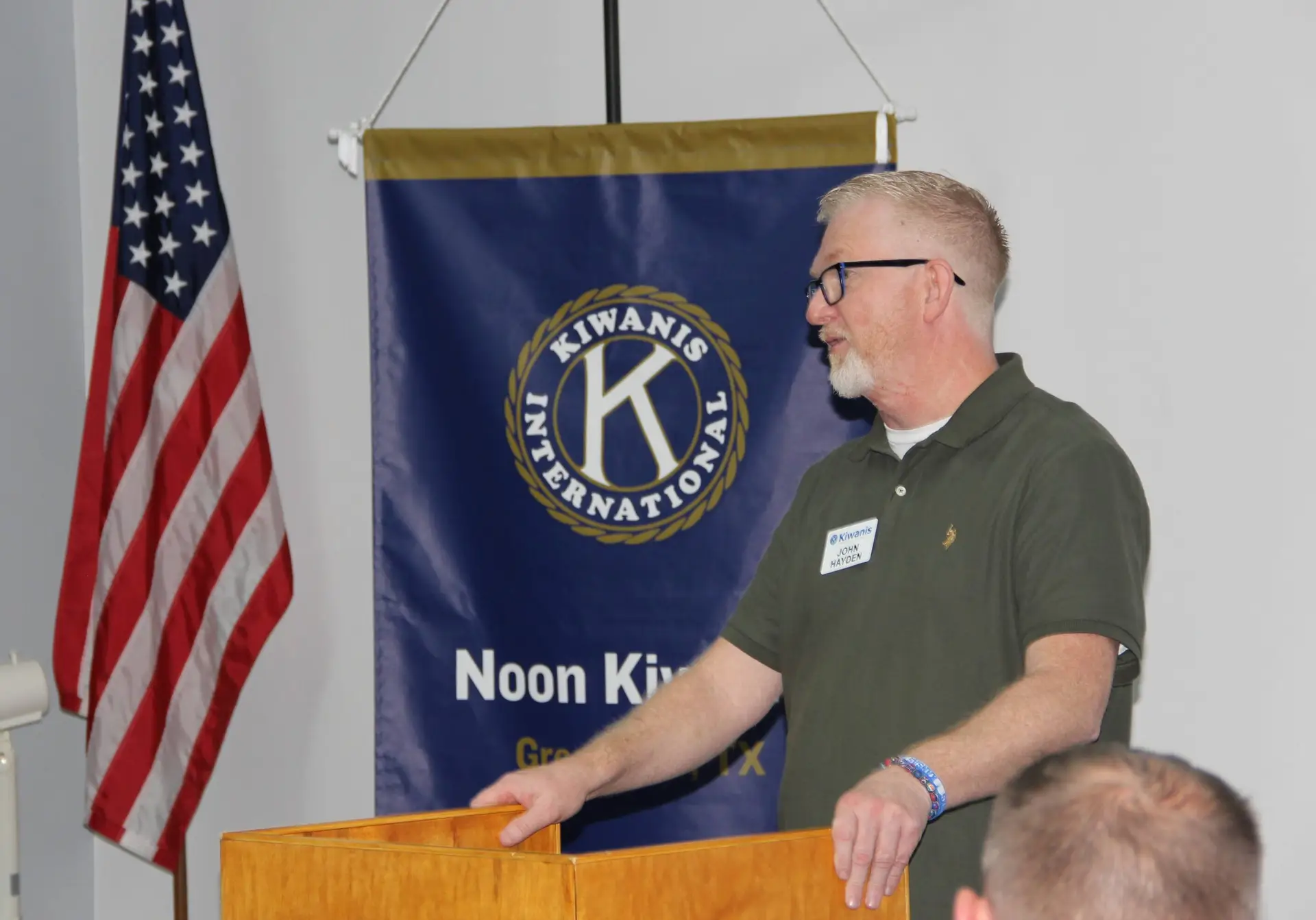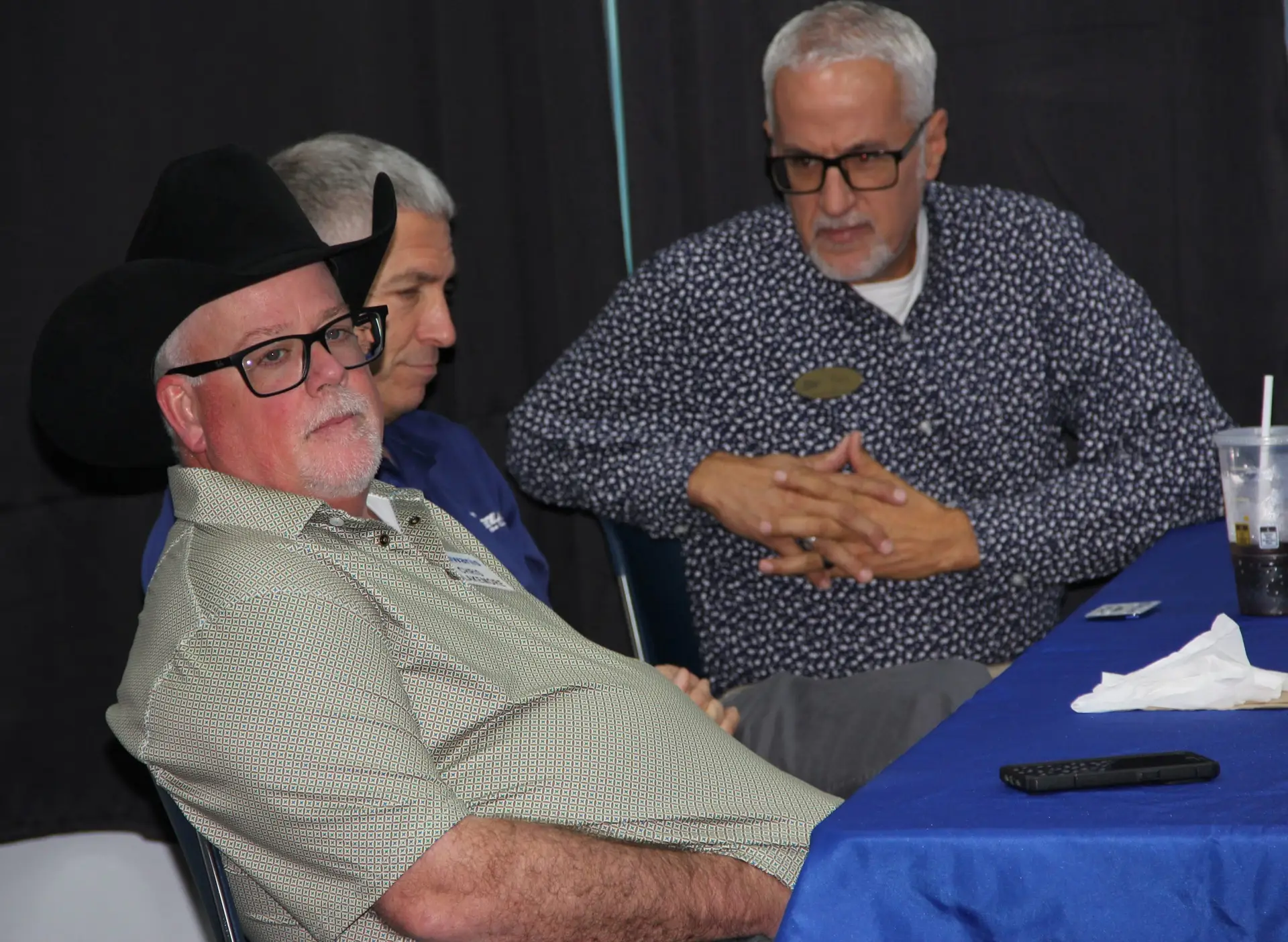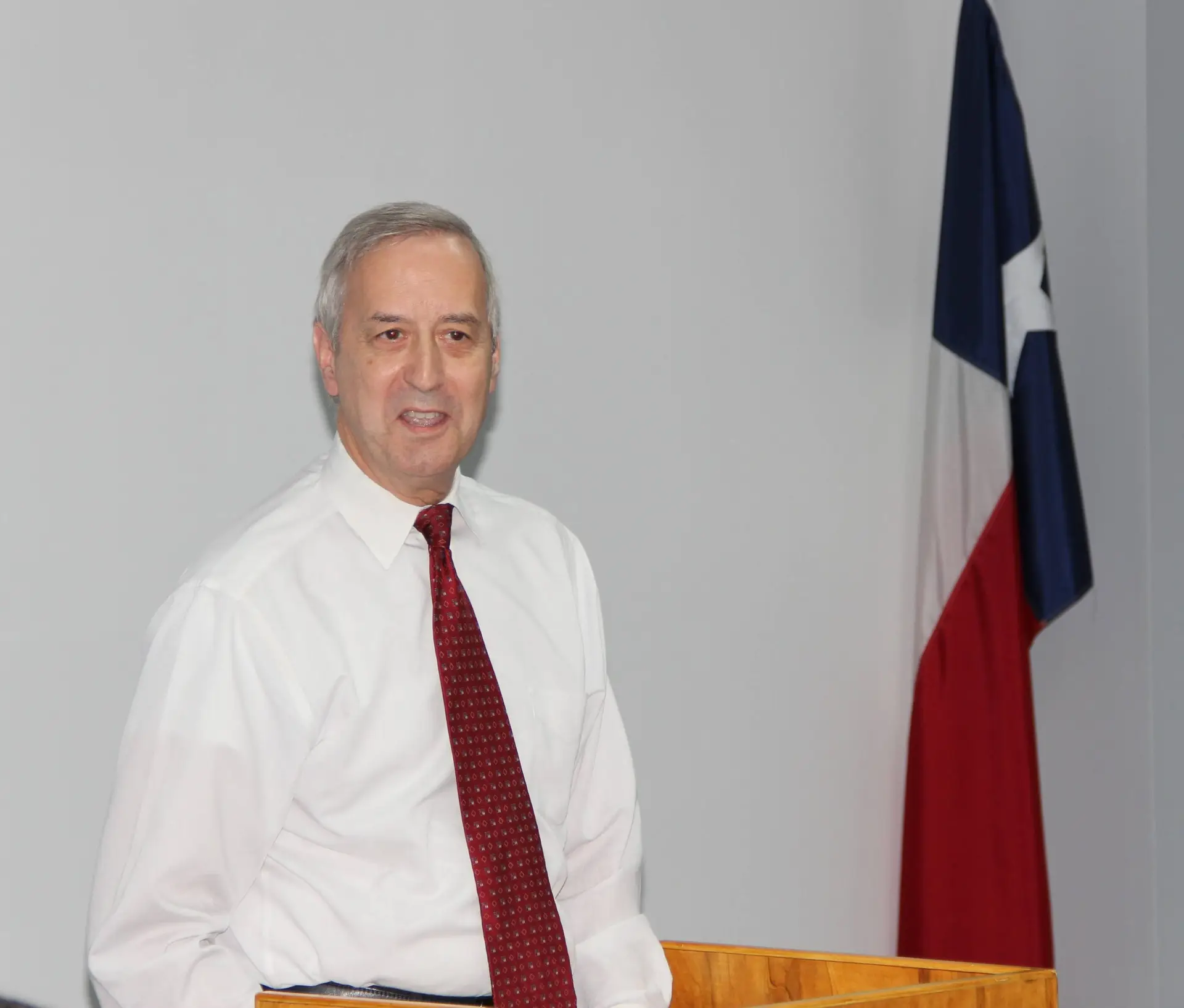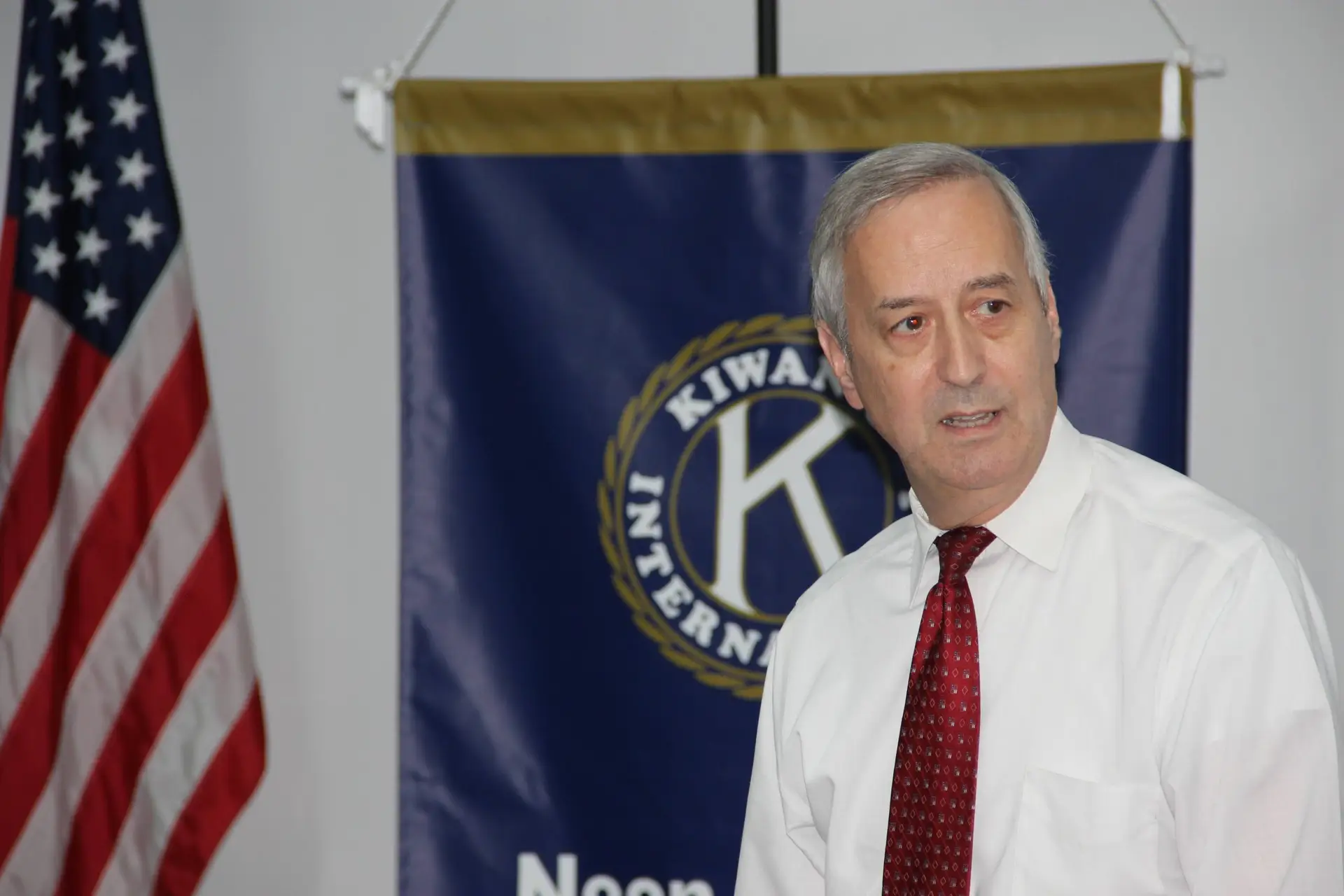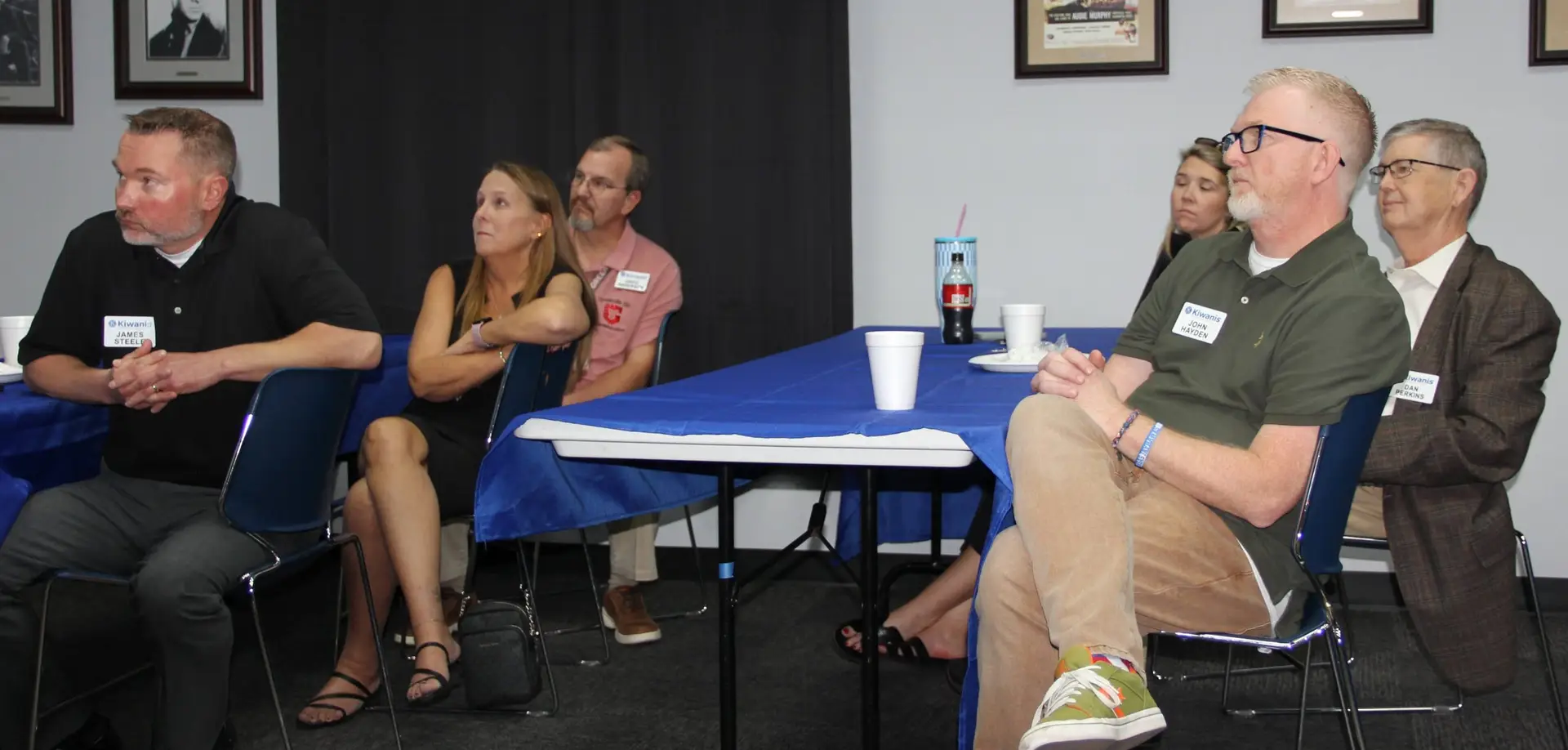
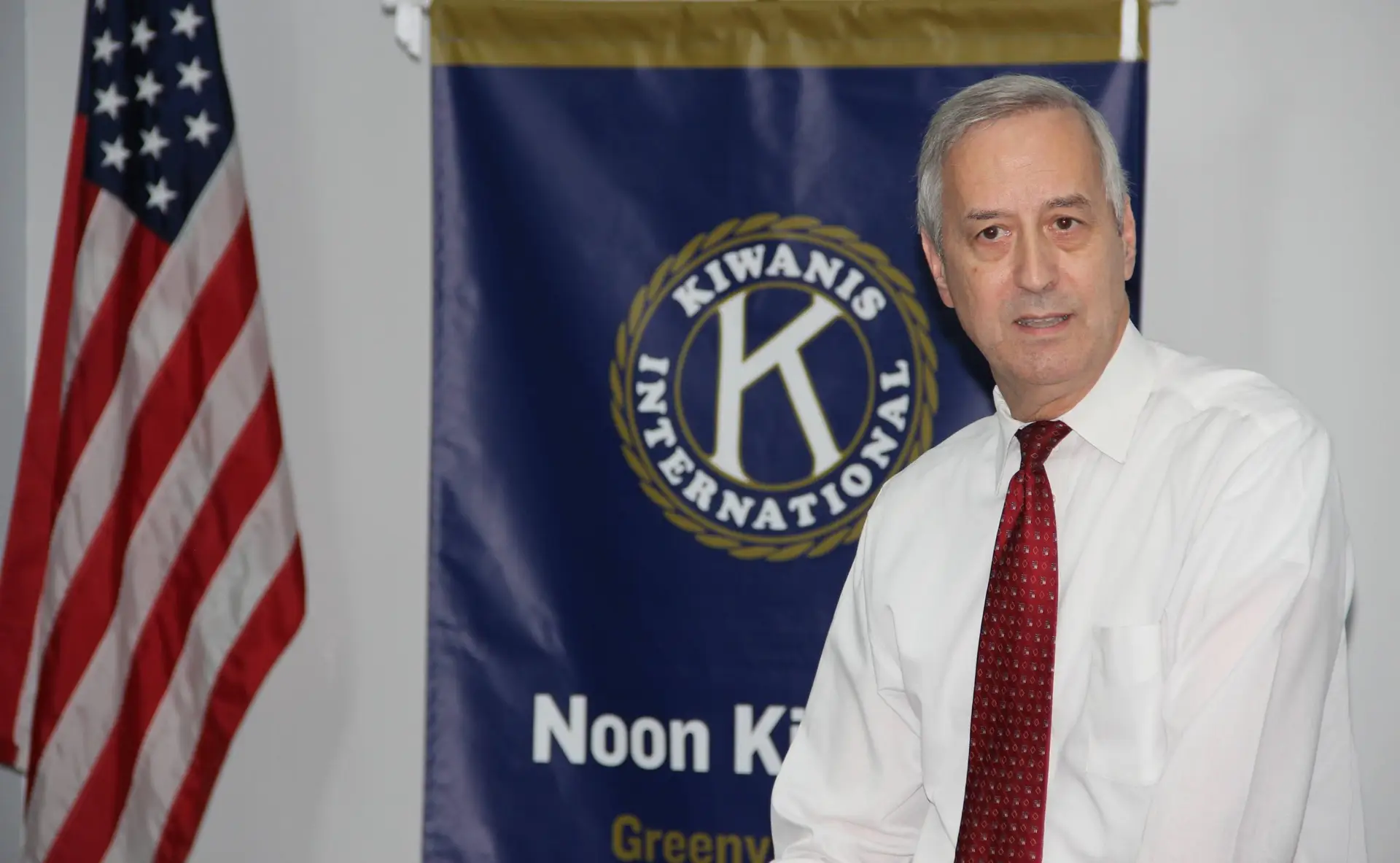
Understanding the local court system means understanding more than what happens in a courtroom. At the Kiwanis Club of Greenville’s November 10 meeting, members learned how Hunt County’s courts serve residents—and how decisions involving children, families, and vulnerable adults can have lasting effects throughout the community.
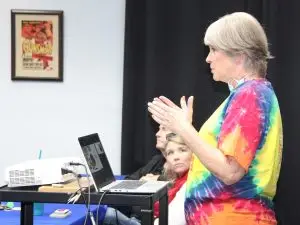
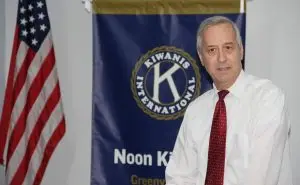
Guest speaker Judge-Elect David Renshaw presented an overview of the county’s courts and discussed his upcoming role leading County Court at Law No. 1, beginning January 1, 2027. His presentation prompted a thoughtful conversation about juvenile justice, mental health, and the resources families need to move forward.
Fellowship and Recognition for Veterans
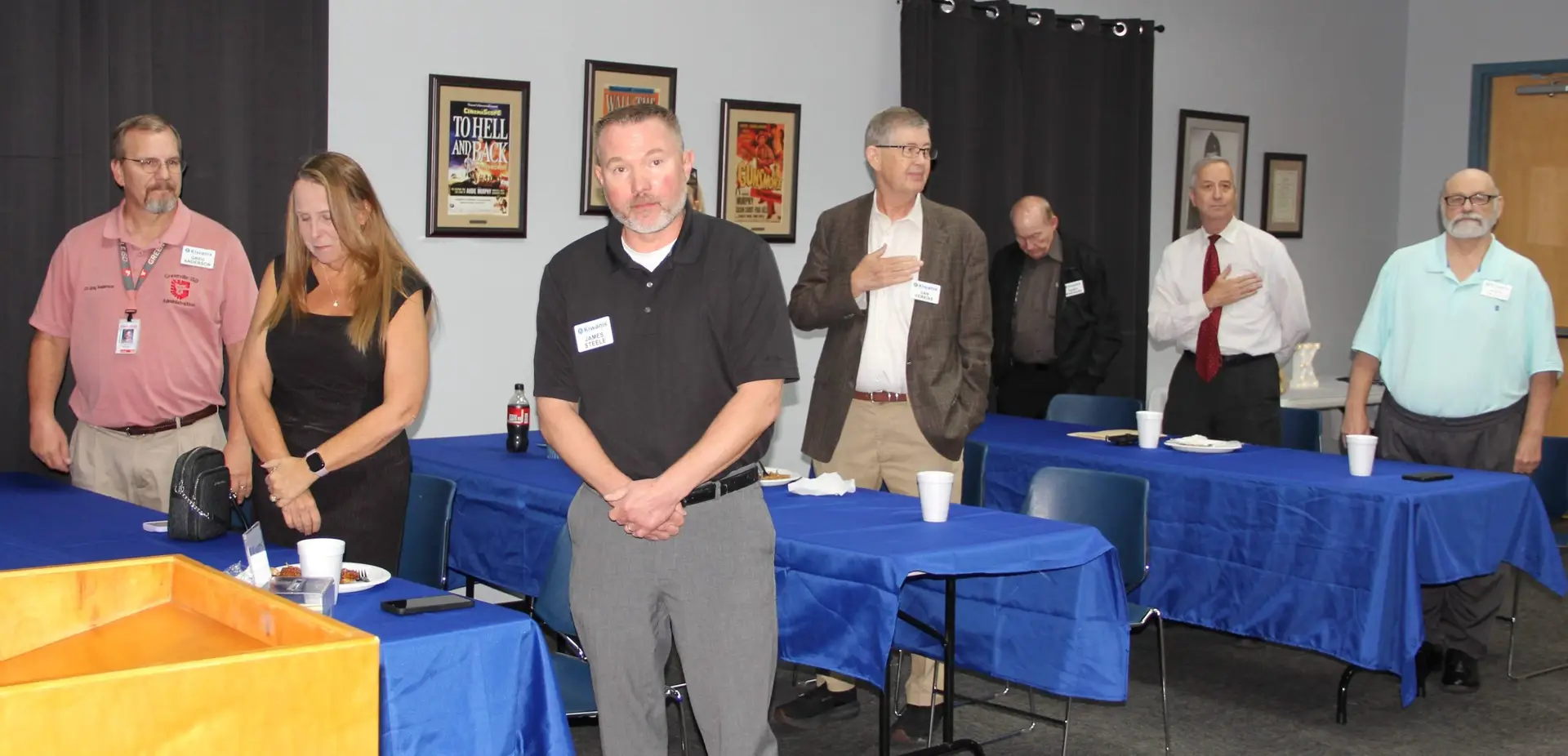
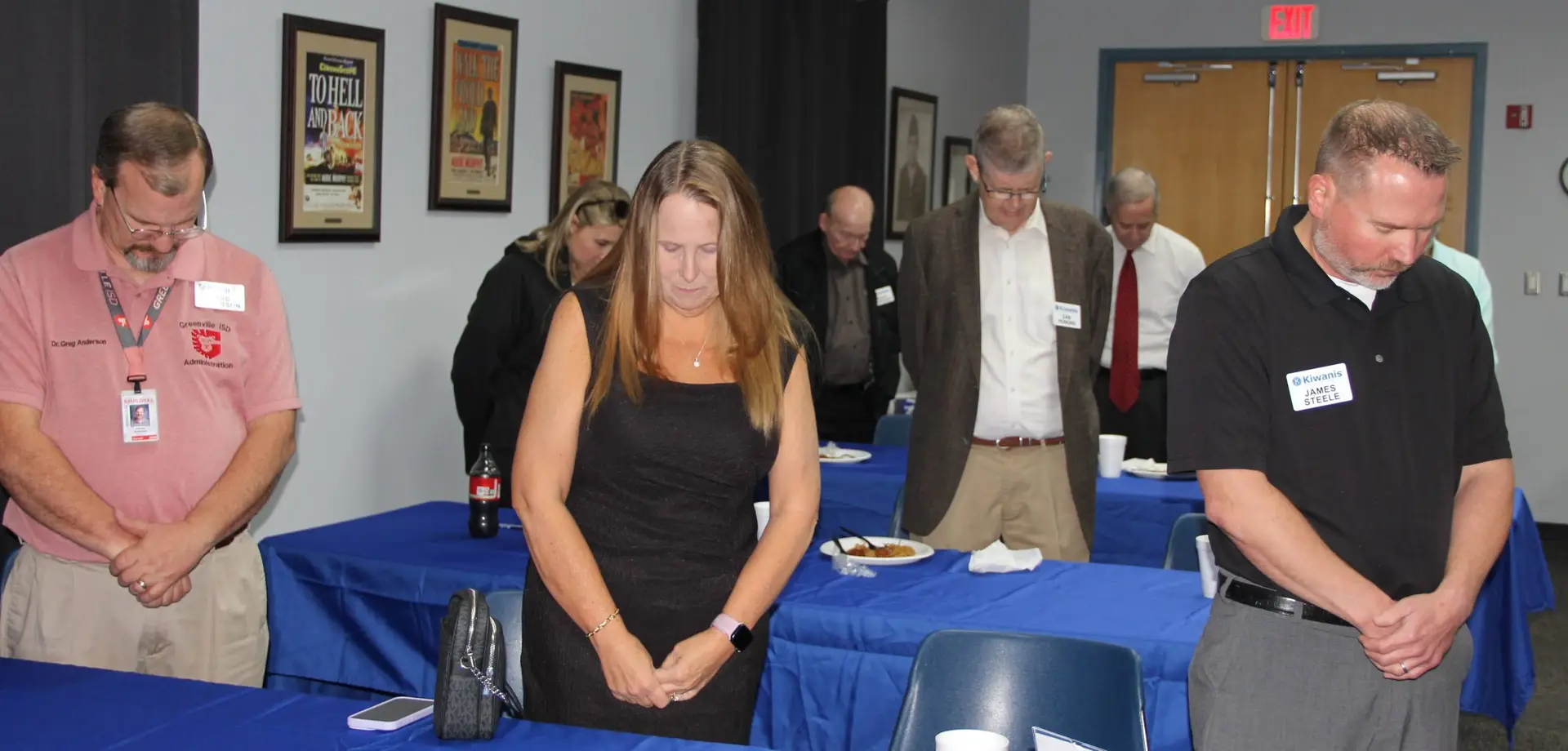
The meeting opened with the Pledge of Allegiance and prayer, followed by a round of applause recognizing veterans in attendance ahead of Veterans Day.
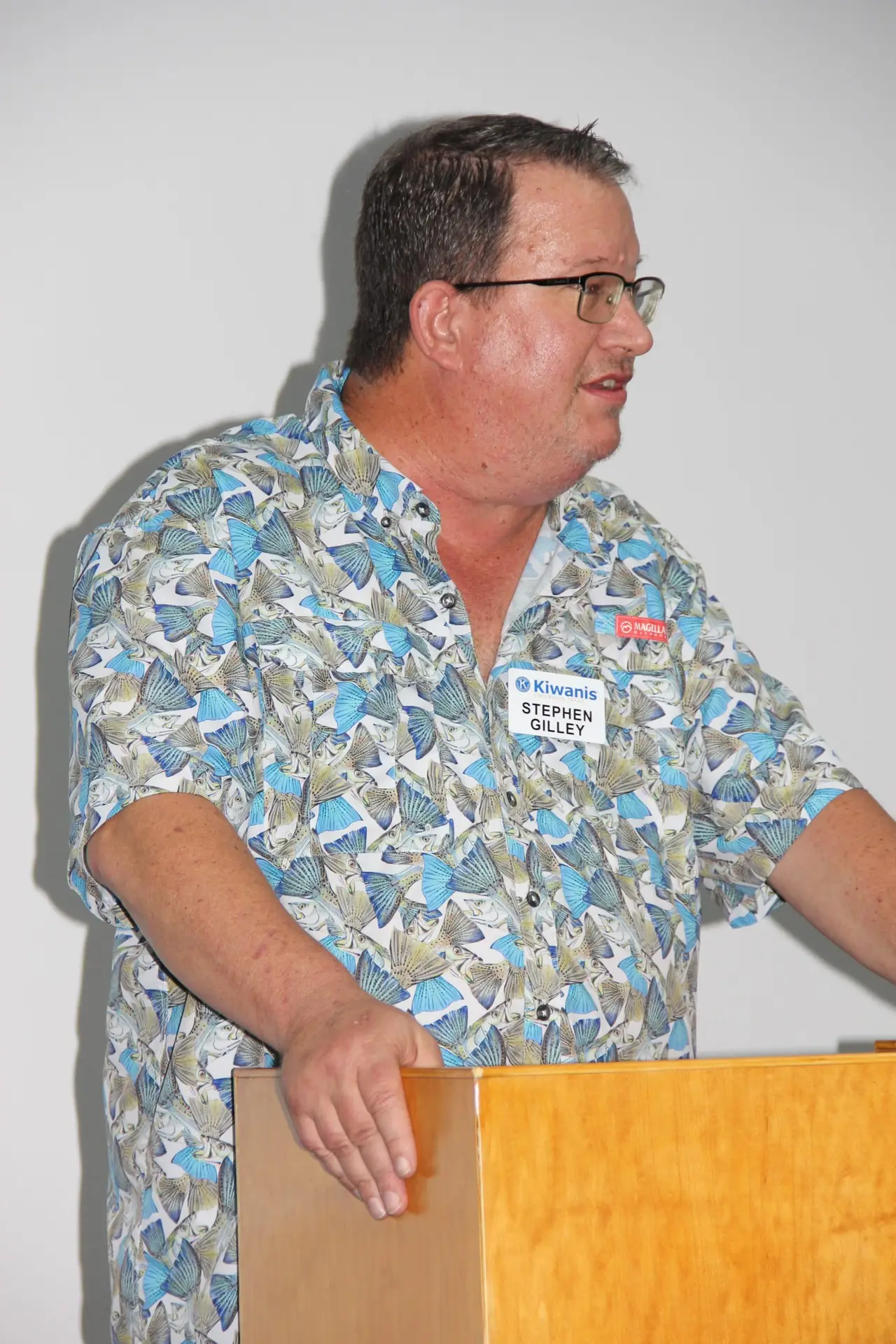
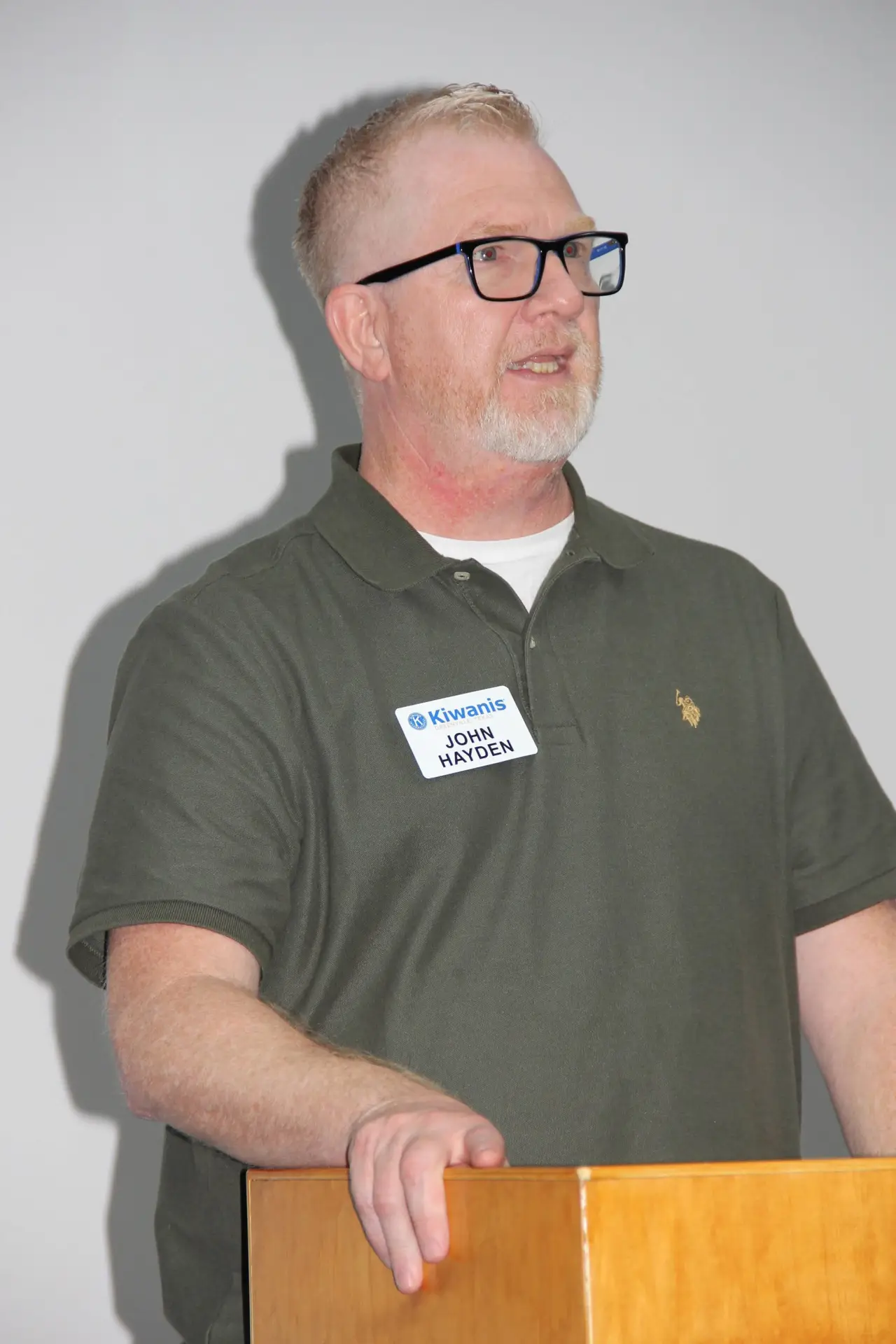
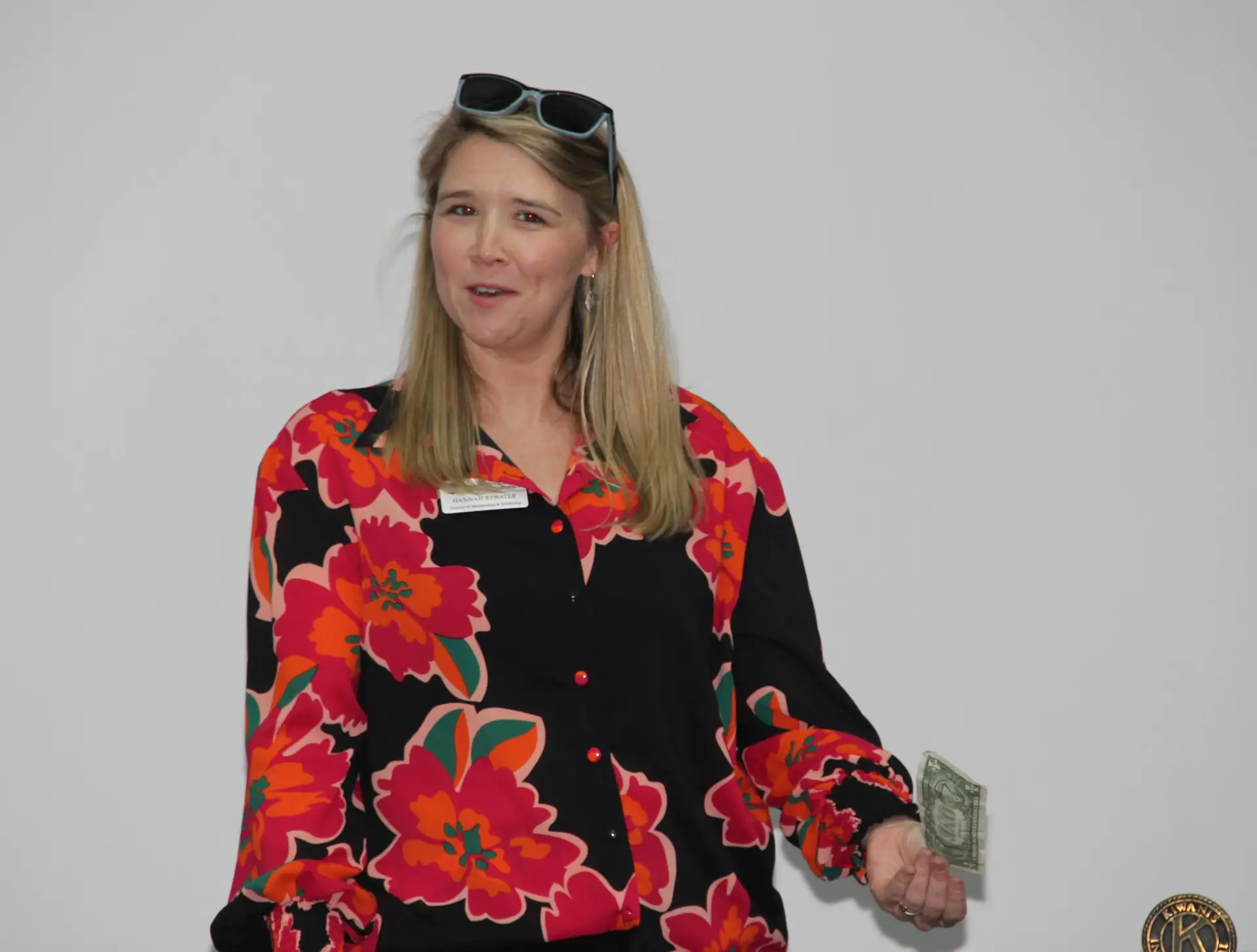
During Happy Dollars, members shared personal updates, project milestones, and news from around Greenville. Announcements included a reminder that the Hunt County Veterans Parade will take place Saturday, November 14, at 11 a.m.
Members also encouraged one another to explore the public library’s digital resources. The discussion highlighted Hoopla, which gives library users access to ebooks, audiobooks, movies, and other materials.
Making Sense of the Court System
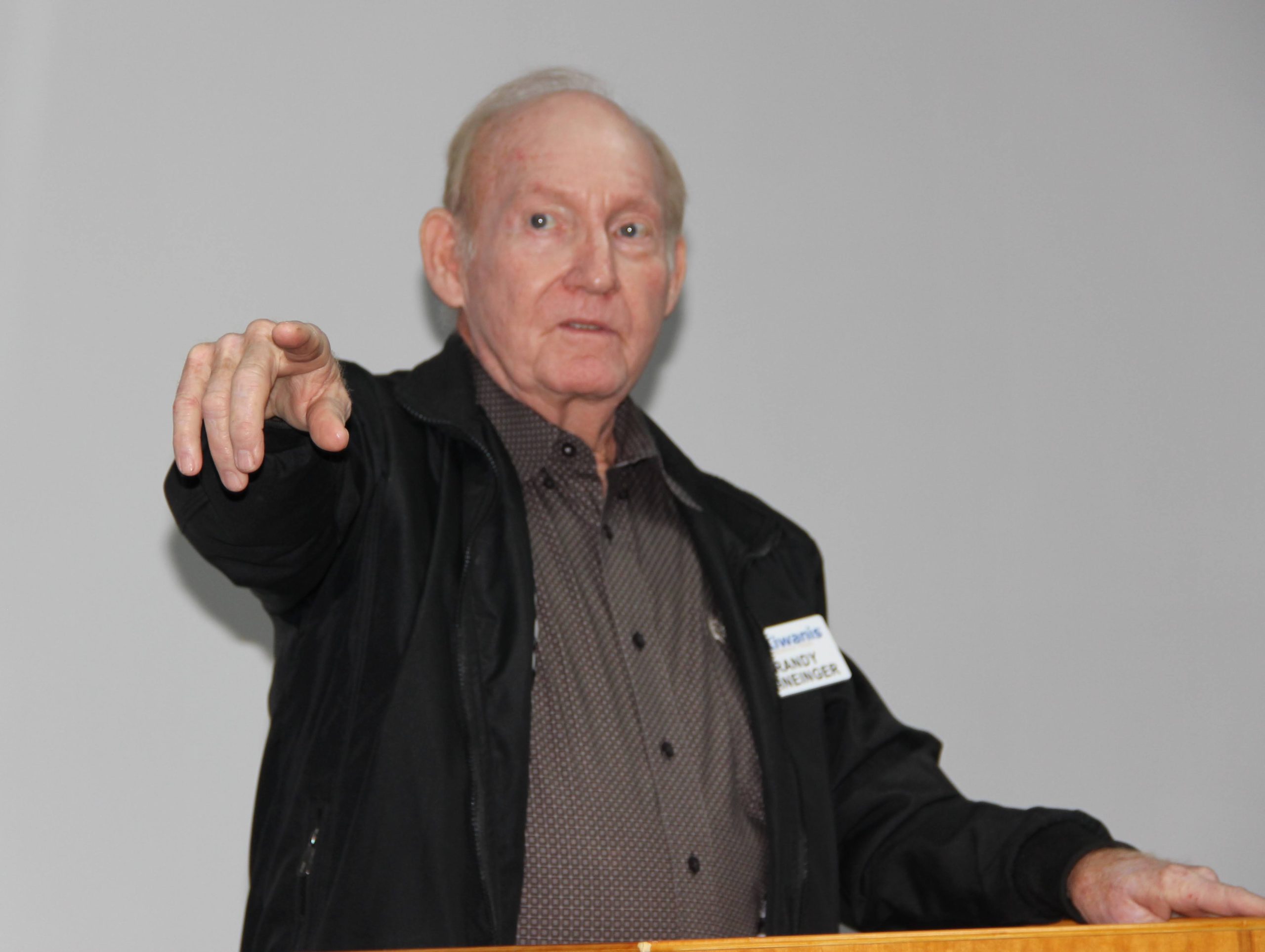
Renshaw explained that Hunt County has two district courts, two county courts at law, and five justice courts. Each handles different types of matters, although some responsibilities overlap.
The district courts—the 196th and 354th—handle a broad range of civil, criminal, and family matters. The county courts at law hear matters including misdemeanor criminal cases, probate, guardianships, juvenile cases, and mental health commitments, along with other proceedings authorized by law.
Justice courts handle matters such as fine-only offenses and smaller civil disputes. Renshaw also described other duties carried out by justices of the peace, helping members see how these courts fit into the larger system.
His overview offered a practical introduction to a structure that can seem complicated until someone explains how the pieces work together.
A New Role With Opportunities to Make a Difference
Renshaw shared that he will succeed retiring Judge Timothy Linden in County Court at Law No. 1 at the beginning of the new year.
He explained that the court handles Hunt County’s juvenile cases and a share of its guardianship proceedings. Mental health cases are also expected to move to Court No. 1 beginning in January.
For Renshaw, those responsibilities were an important reason to seek the position. He described juvenile, guardianship, and mental health proceedings as areas where a judge’s work can make a lasting difference.
A young person who receives appropriate guidance and support may follow a different path for years to come. Guardianship proceedings can help protect adults who need assistance, while mental health matters involve people and families facing particularly difficult circumstances.
These cases, he emphasized, affect some of the community’s most vulnerable residents.
Looking Beyond the Numbers
To illustrate the court’s workload, Renshaw shared figures he had recently obtained from the Texas Office of Court Administration.
According to his presentation, 1,174 new cases were filed in County Court at Law No. 1 during the 12 months ending in August 2026, and 1,490 cases were pending as of September 1.
He also explained why the number of formally filed juvenile cases does not capture all the work taking place with young people.
The juvenile probation department evaluates referrals, considers a child’s circumstances, and works to connect eligible young people with appropriate supervision and programs. Some matters can be addressed without a formal court filing when a young person successfully meets the requirements of that process.
Renshaw praised the local juvenile department for finding resources and helping children access programs. His explanation gave members a clearer picture of the work that happens before a case ever reaches the courtroom.
Helping Families Find a Path Forward
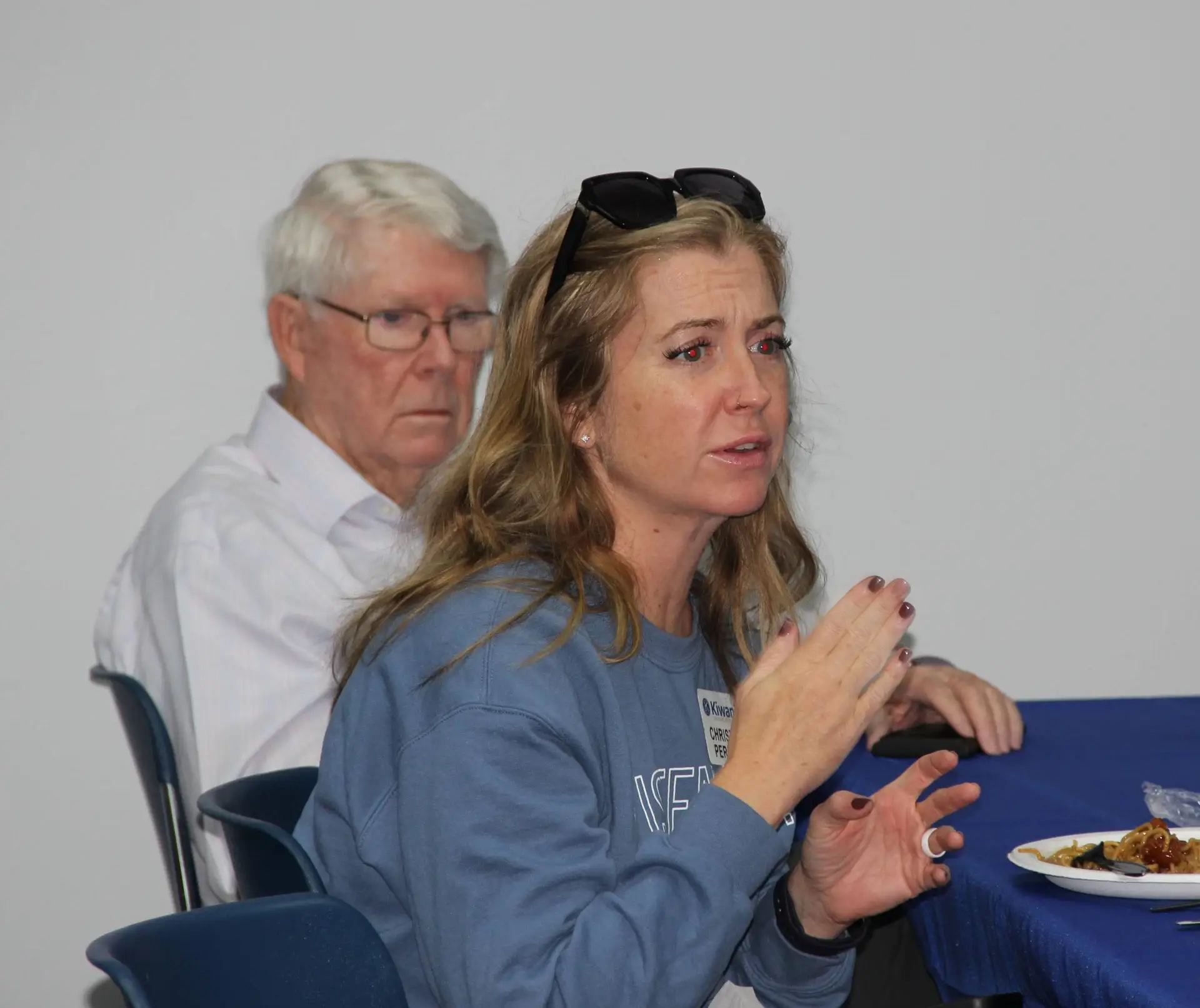
The question-and-answer discussion focused on the challenges facing children and families involved in the justice system.
Participants discussed how unstable home environments, financial strain, addiction, and limited access to treatment can complicate a family’s ability to respond to a crisis. Members heard examples of caregivers balancing employment with responsibility for several children, sometimes with little additional support.
The conversation also explored the importance of addressing the circumstances behind a person’s involvement with the courts. Depending on the situation, that may involve counseling, substance use treatment, parenting education, or help escaping domestic violence.
Participants noted that connecting someone with a service is only part of the challenge. Affordability, transportation, insurance coverage, and the availability of providers can all affect whether that person can participate.
The discussion included concerns about maintaining consistent treatment services for people in custody, as well as the need for clear education about the risks and possible legal consequences associated with THC-containing vaping products.
Throughout the exchange, a central theme emerged: accountability and access to meaningful support both matter when working toward better outcomes.
Learning Together to Serve Our Community
Thank you to David Renshaw for sharing his time, explaining the responsibilities of Hunt County’s courts, and discussing the work ahead as he prepares to take the bench.
The presentation gave members a better understanding of local government while reinforcing the importance of supporting children and families before challenges become crises.
The Kiwanis Club of Greenville meets at noon on the first four Tuesdays of each month at the W. Walworth Harrison Public Library. Guests are welcome to join us for fellowship, informative programs, and opportunities to serve children and strengthen our community.